The paint on the road carries as much law as the signs beside it, and the test asks about it just as often. A solid white line down the middle of the road is not decoration: crossing it to overtake is an offence, and the only lawful reason to cross it is to reach a property on the other side.
The rule that catches people is the pair of lines: where a solid line runs beside a broken one, the line nearest you is the one that governs you. Broken on your side, you may cross when it is safe. Solid on your side, you may not, whatever the driver coming the other way is allowed to do.
Regulatory markings are the ones you can be fined for crossing. Warning and guidance markings — chevrons, painted islands, lane arrows, edge lines — are there to tell you where the road wants you to be.
In the test: When two lines run together, obey the one on your side of the road. Yours broken, you may cross; yours solid, you may not.
Regulatory markings
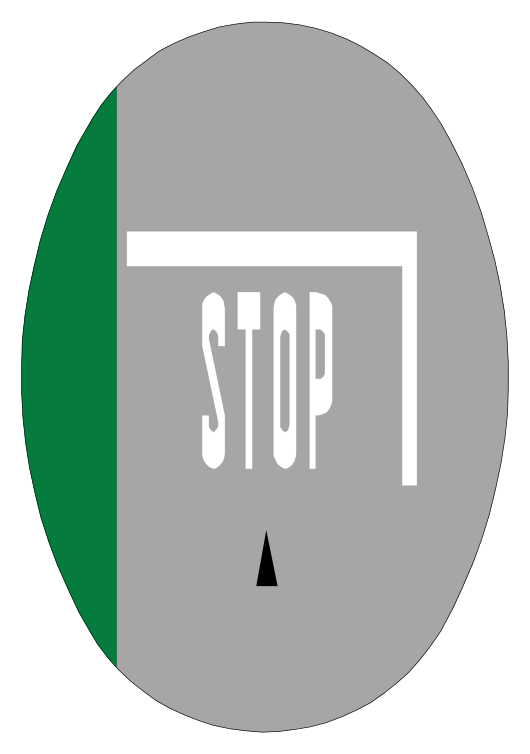
Stop line.
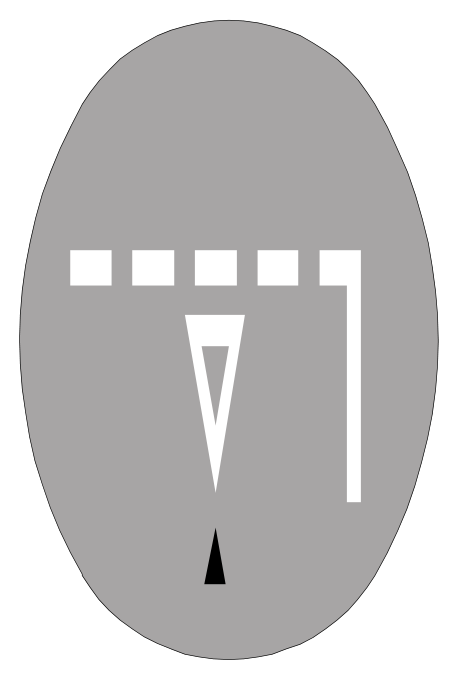
Yield line.
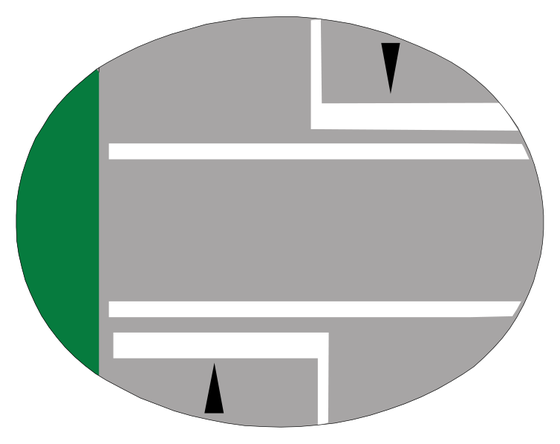
Pedestrian crossing.
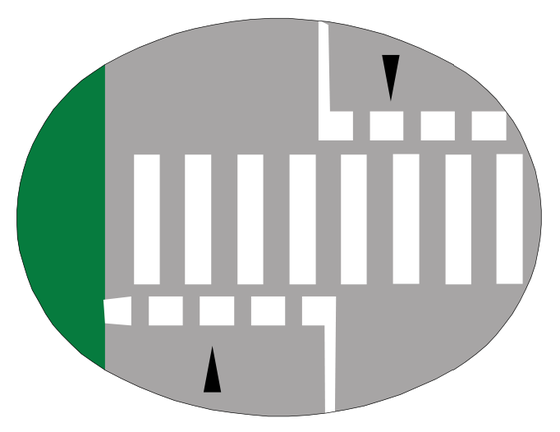
Block pedestrian crossing.
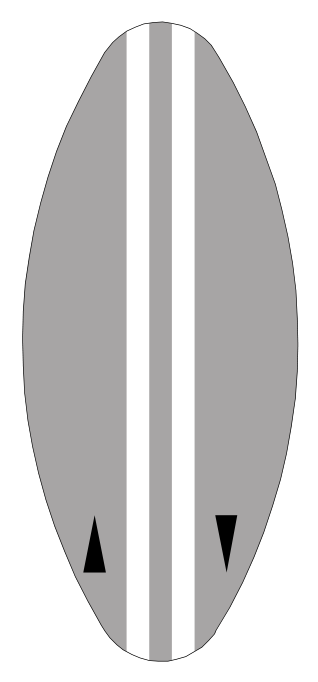
No crossing double-line.
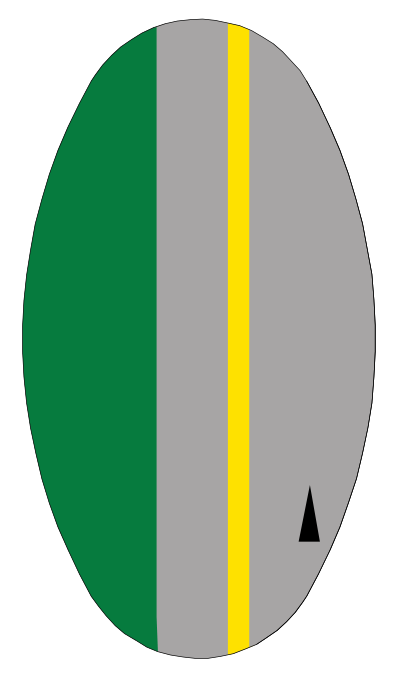
ROAD SURFACE MARKINGS: REGULATORY MARKINGS.
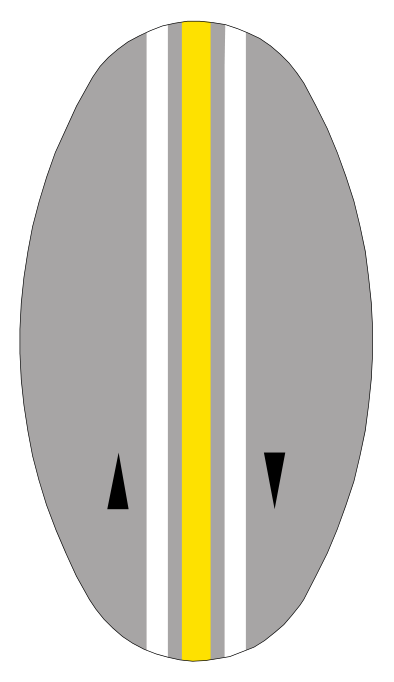
Painted island.
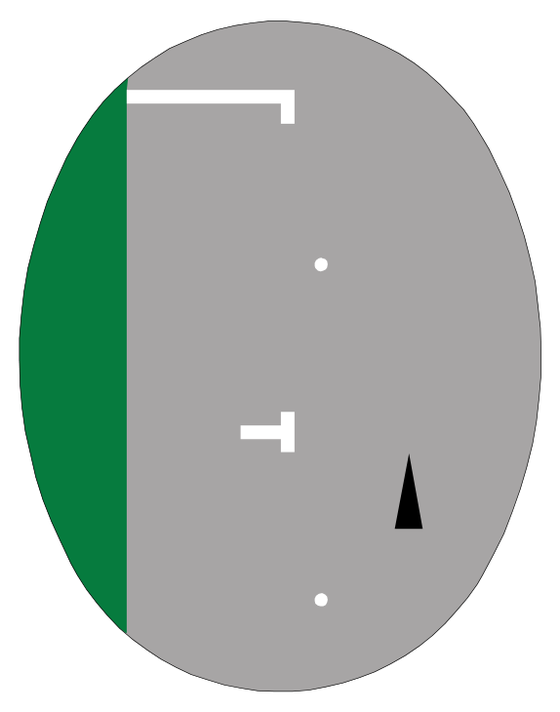
Parking bay.
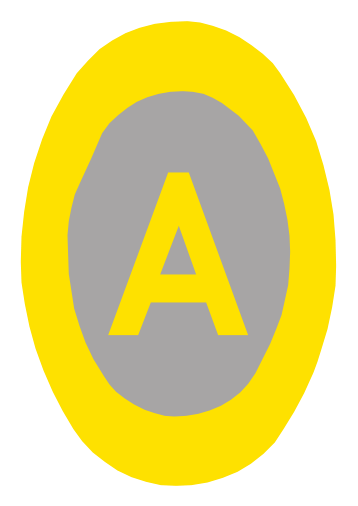
Ambulances Buses Taxis.
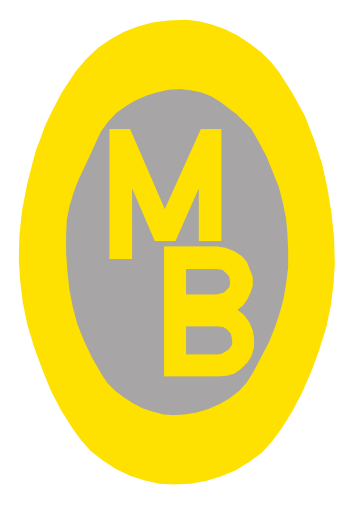
Mini-buses.
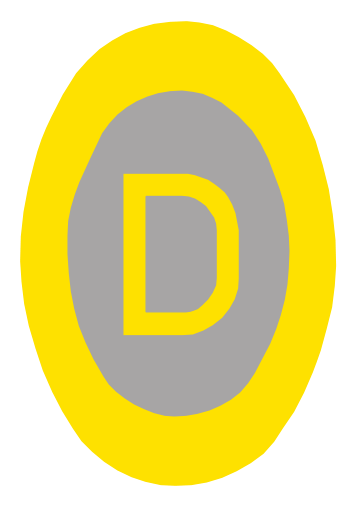
Defence force Police in an emergency only.
Exclusive parking bay.
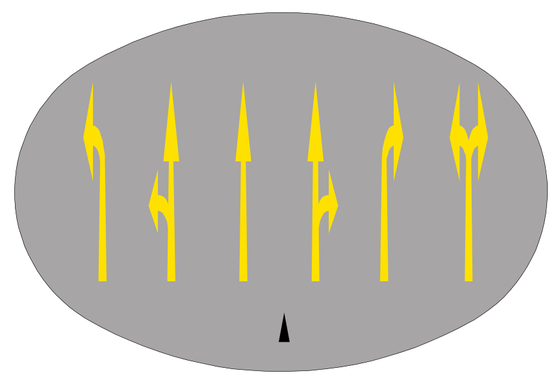
Mandatory direction arrows.
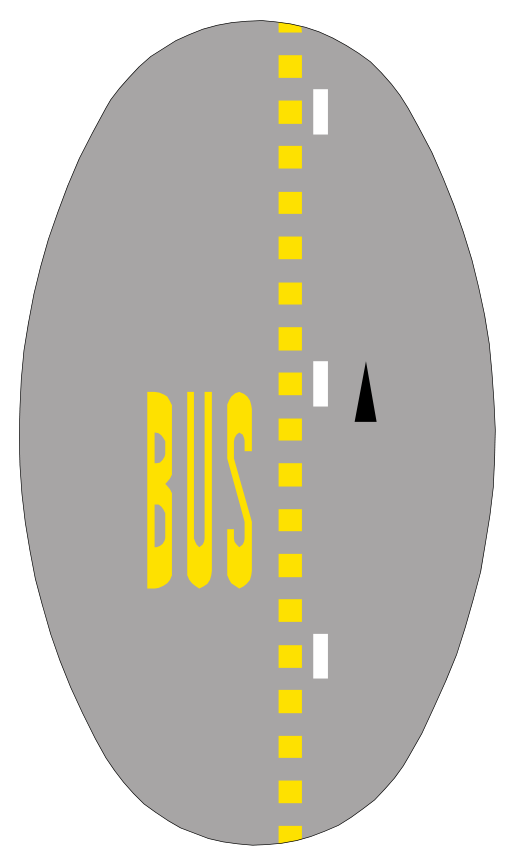
Lane reserved for buses only.
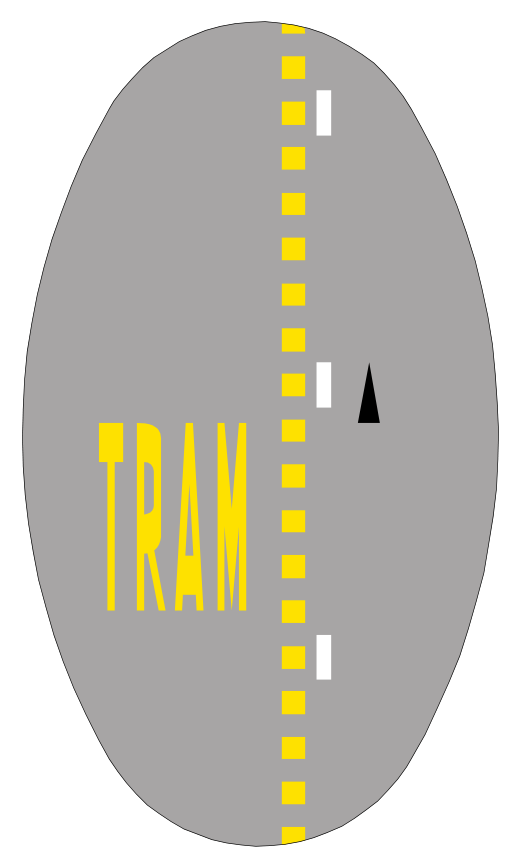
Lane reserved for trams only.
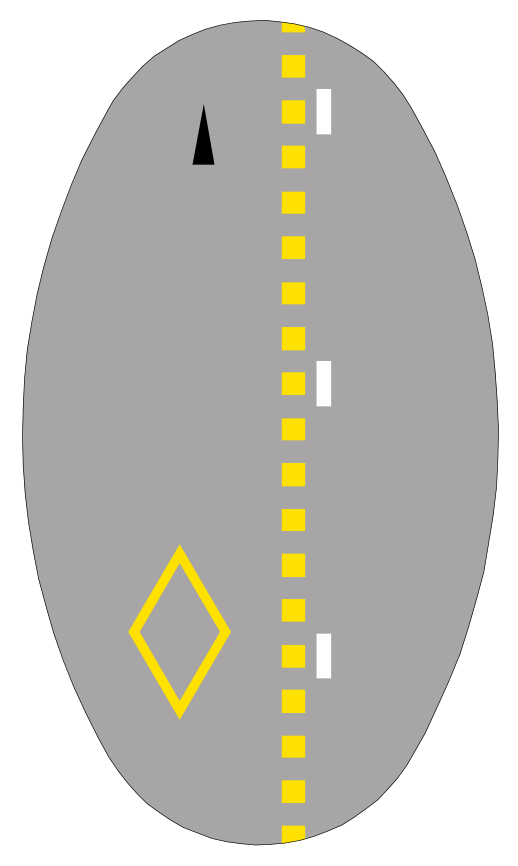
Lane reserved for hazardous goods vehicles only.
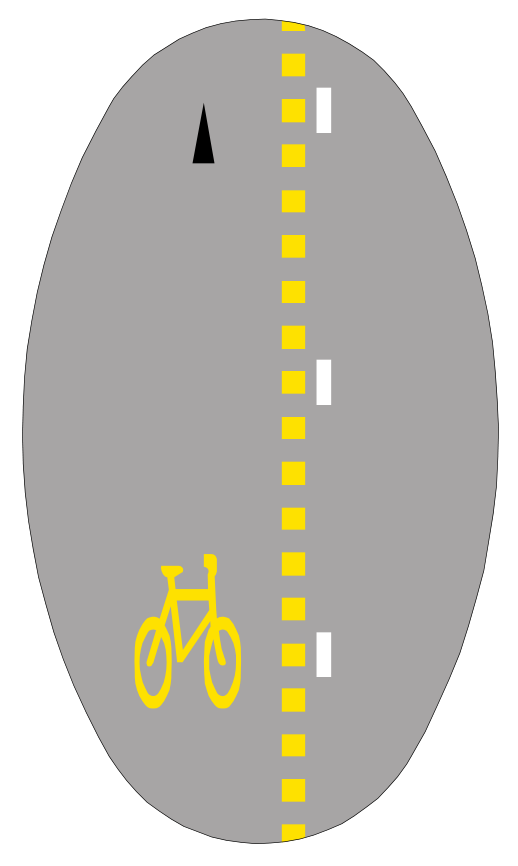
Lane reserved for bicycles only.
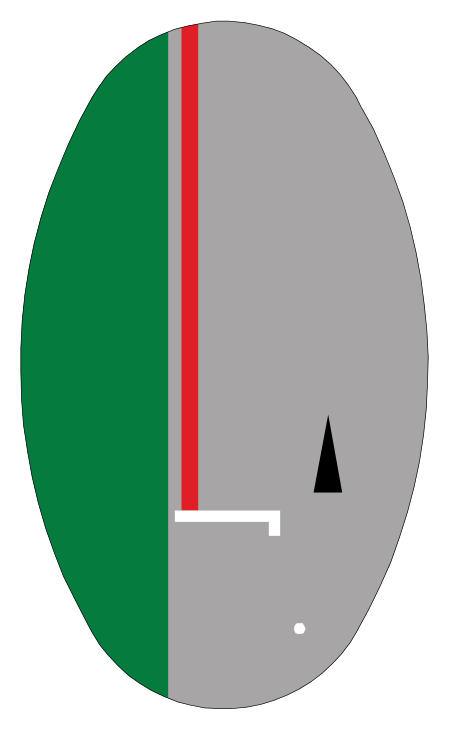
No stopping solid red line.
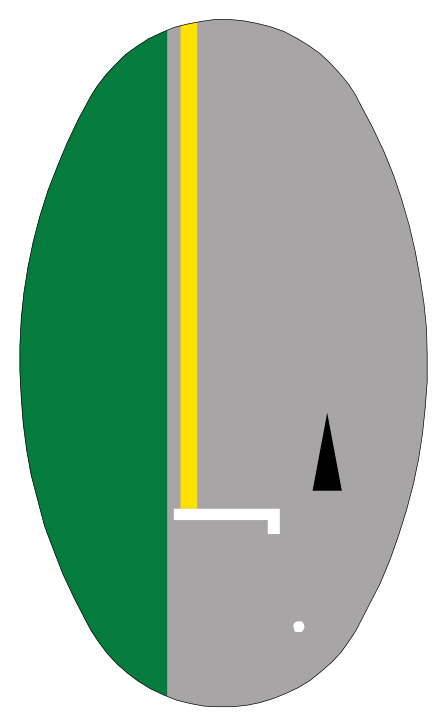
No parking solid yellow line.
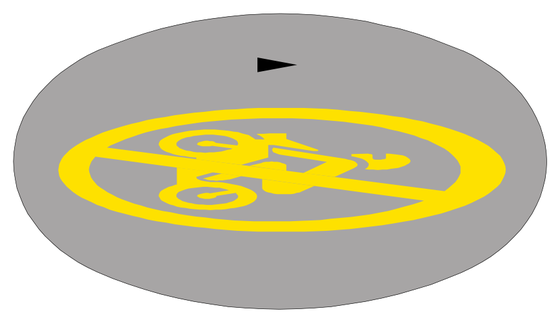
No motorcycles.
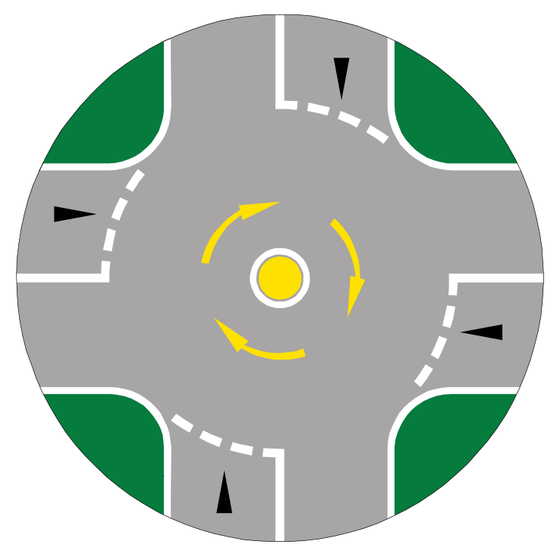
Mini-circle.
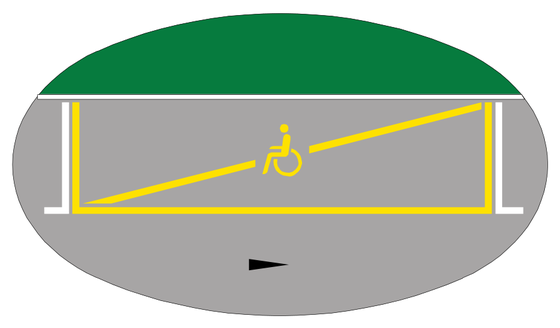
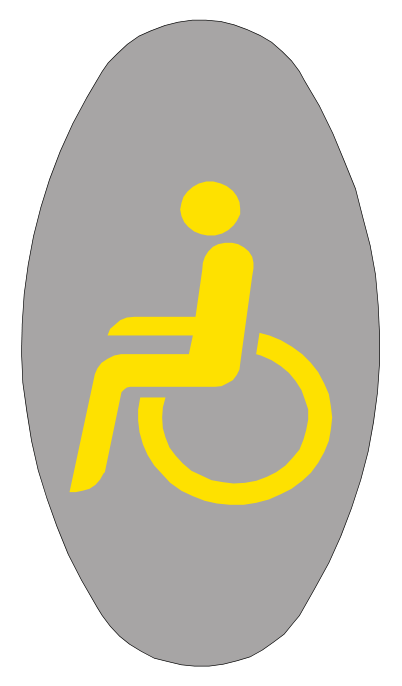
Disabled persons parking.
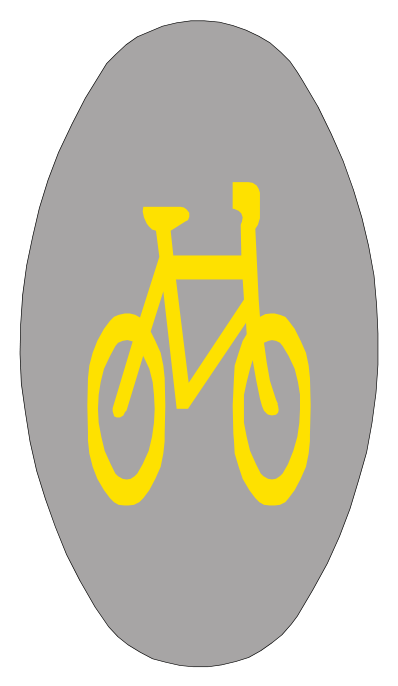
Exclusive use lane symbol.
Warning and guidance markings
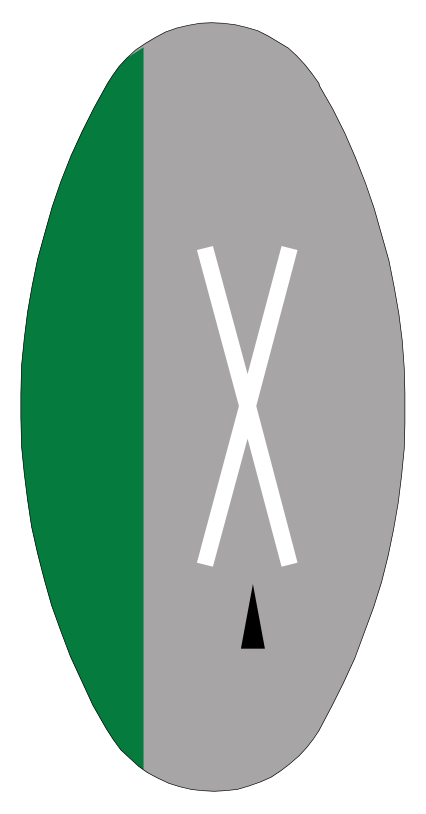
Railway crossing ahead.
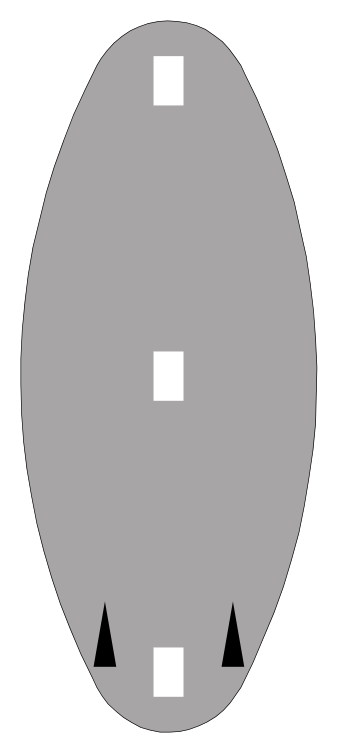
Continuity line.
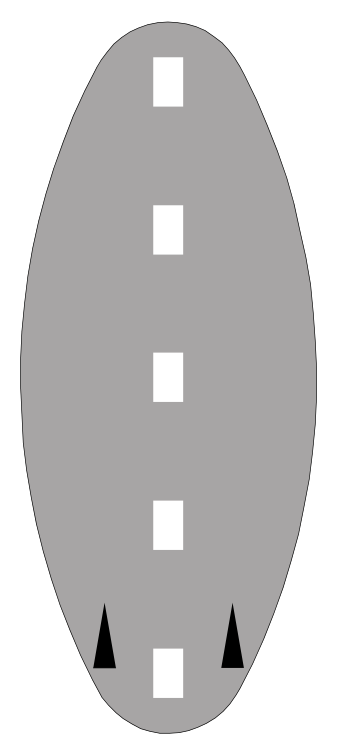
Lane line.
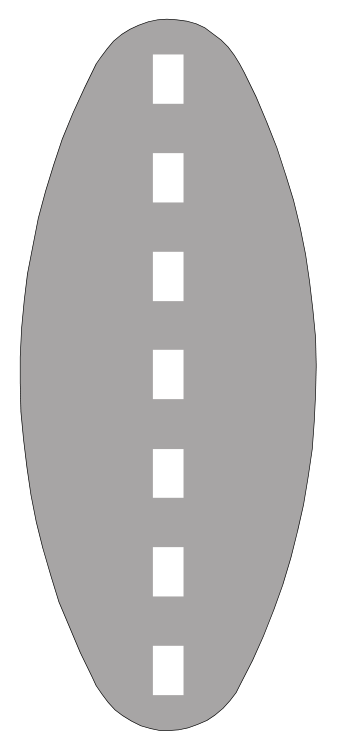
Dividing line.
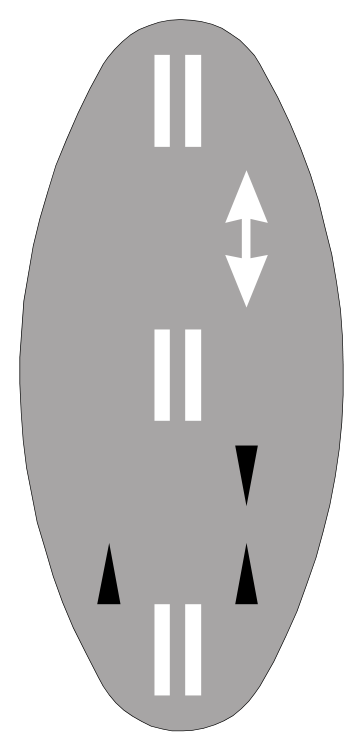
Reversible lane double lines.
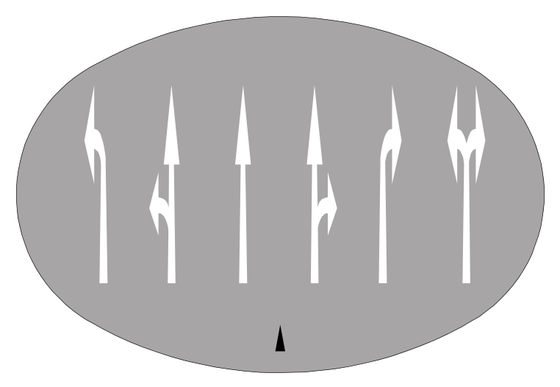
Mandatory direction arrows ahead.
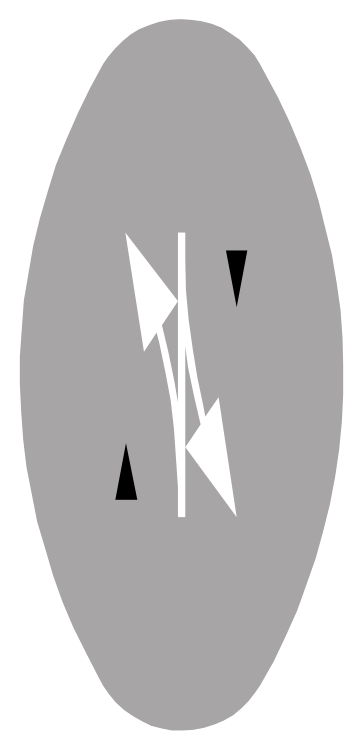
No overtaking or crossing line ahead.
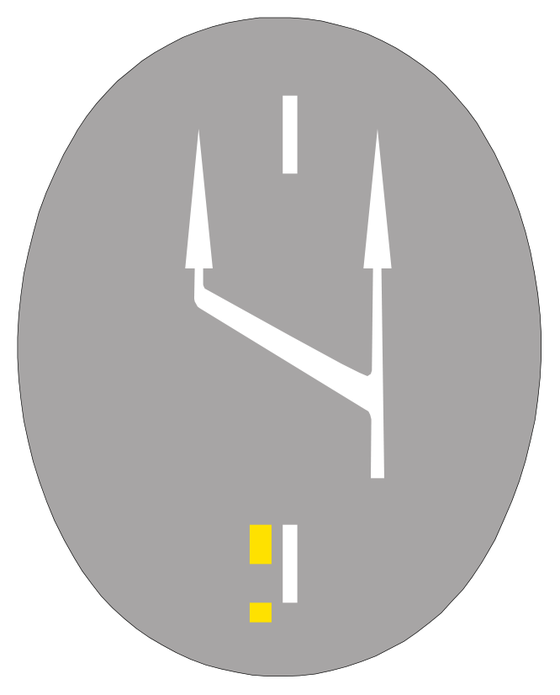
End of exclusive use lane.
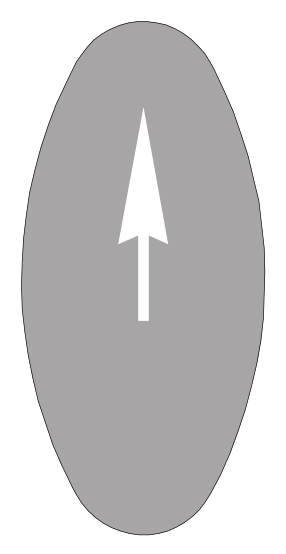
Direction of travel indicators.
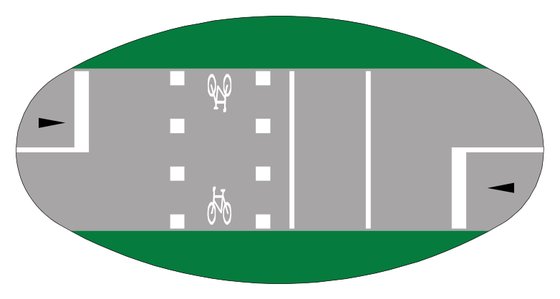
Cycle crossing.
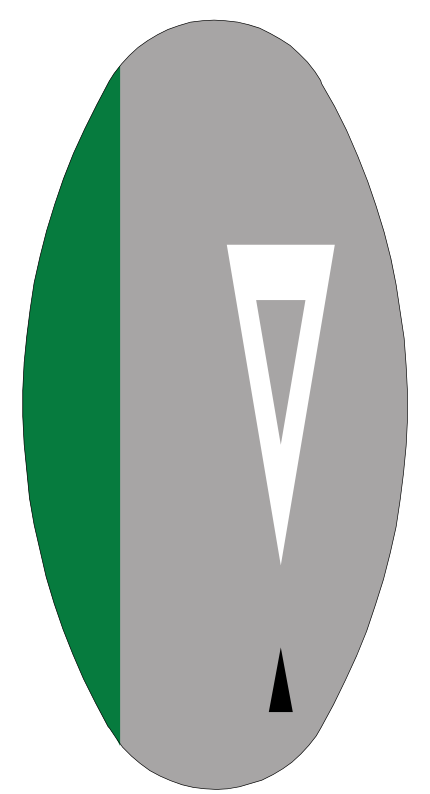
Yield ahead.
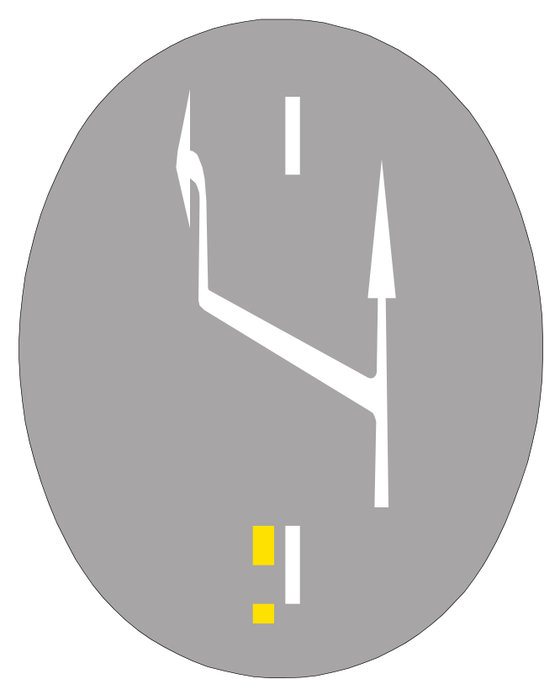
Arrestor bed ahead.
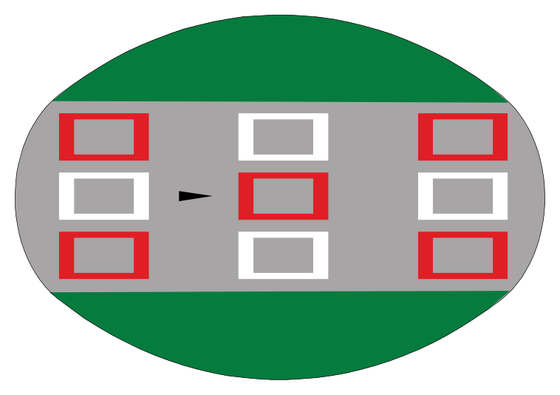
Escape road ahead.
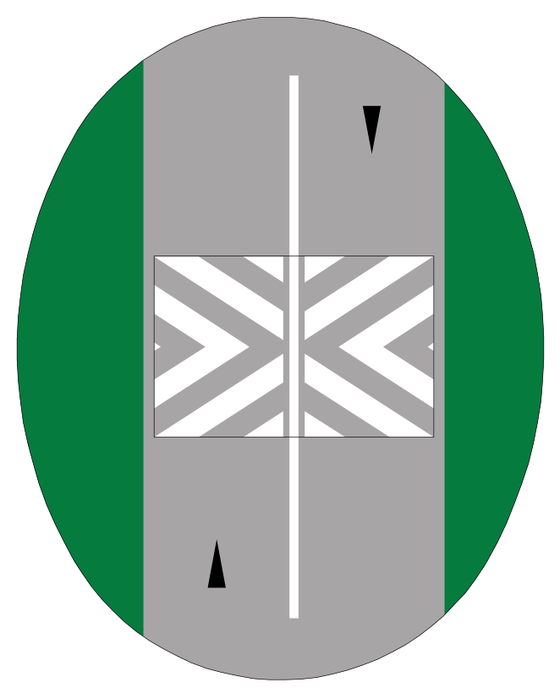
Speed hump.
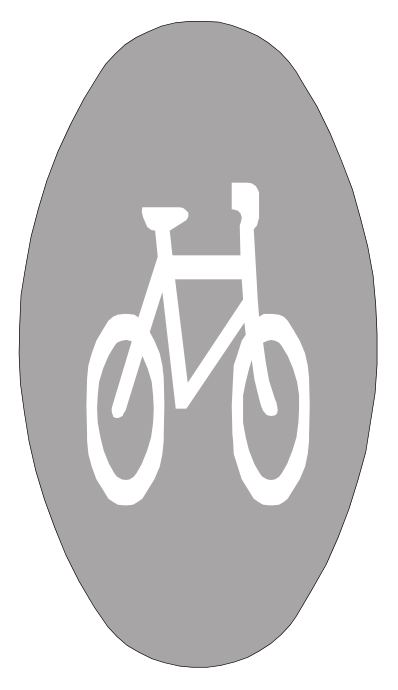
Gives extra guidance.
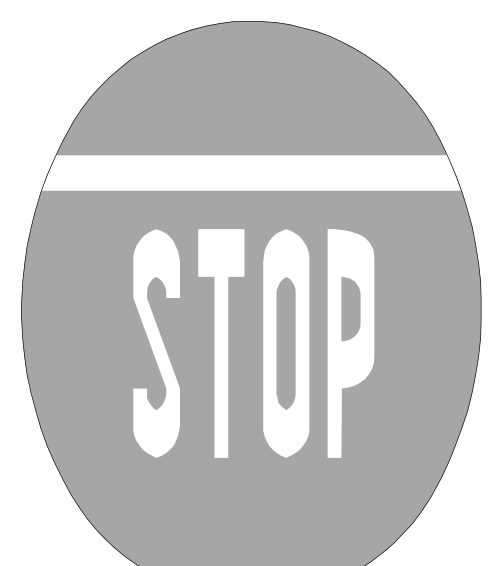
Gives extra guidance: To road users in respect.
The other signs
Learn them properly, not by scrolling
A reference page is for looking something up. The course teaches the same signs in short narrated lessons and then asks you about them until you stop getting them wrong.
Start free